
Mezcal Cuishe de Oaxaca: Dry and Vertical Profile in Collectible Art Bottle

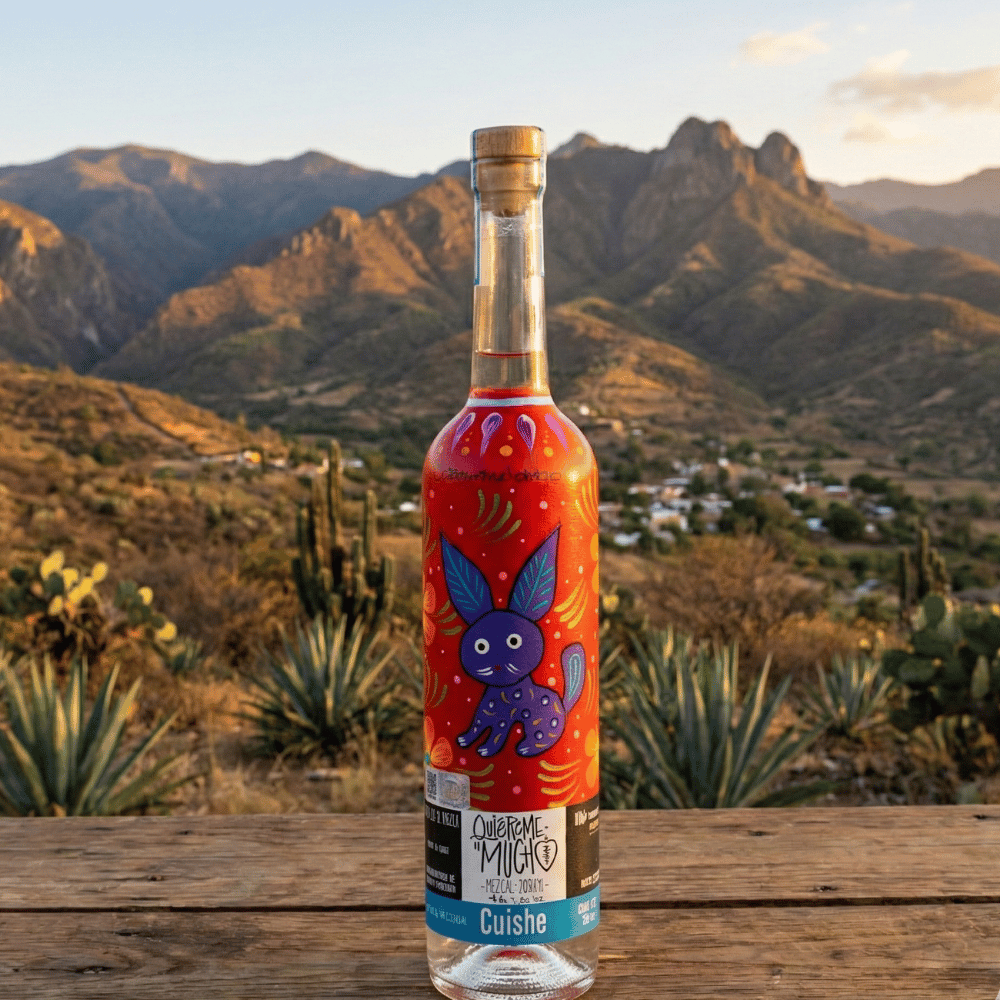
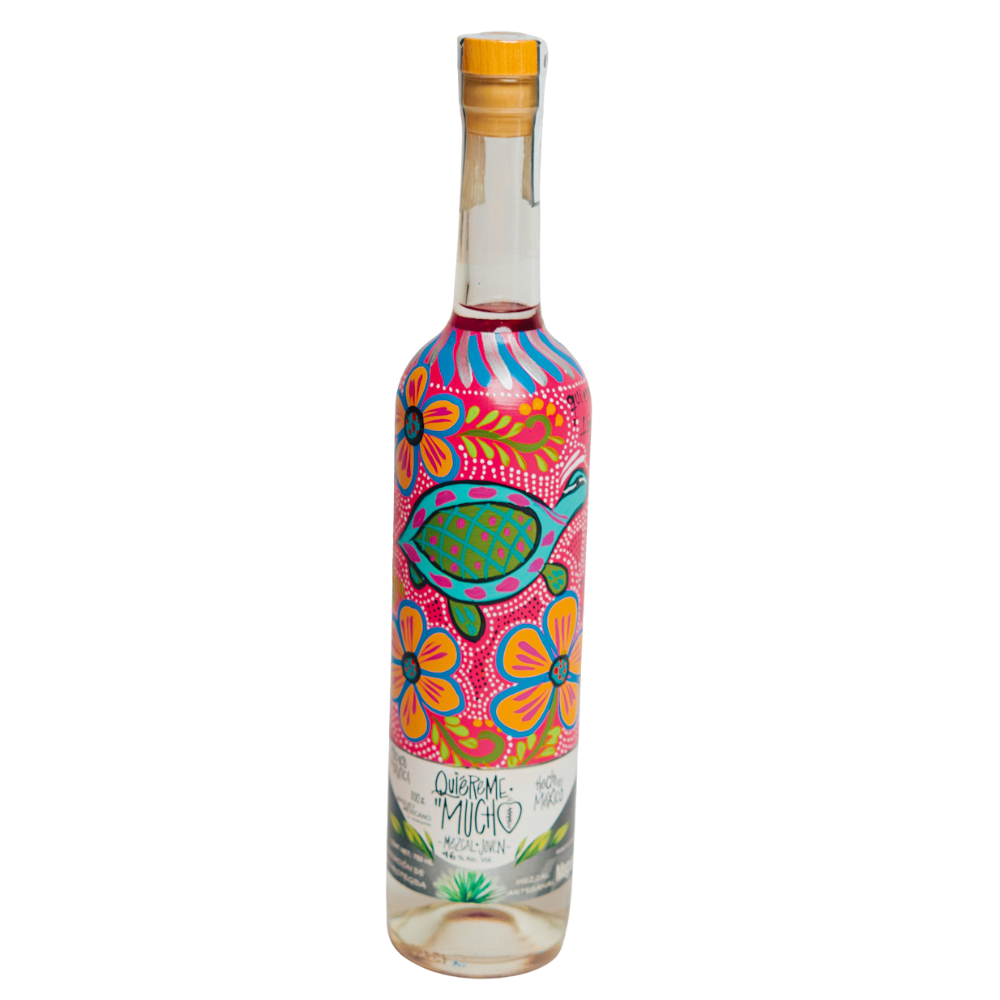
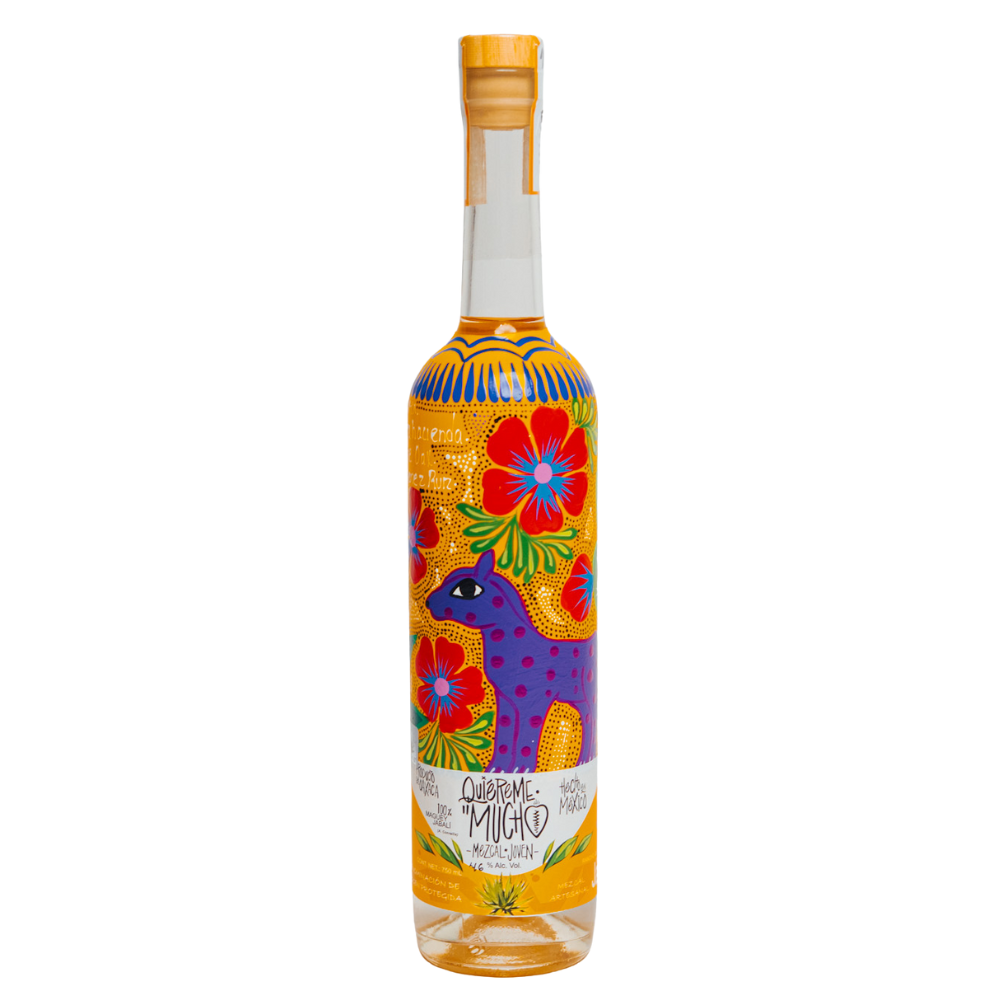
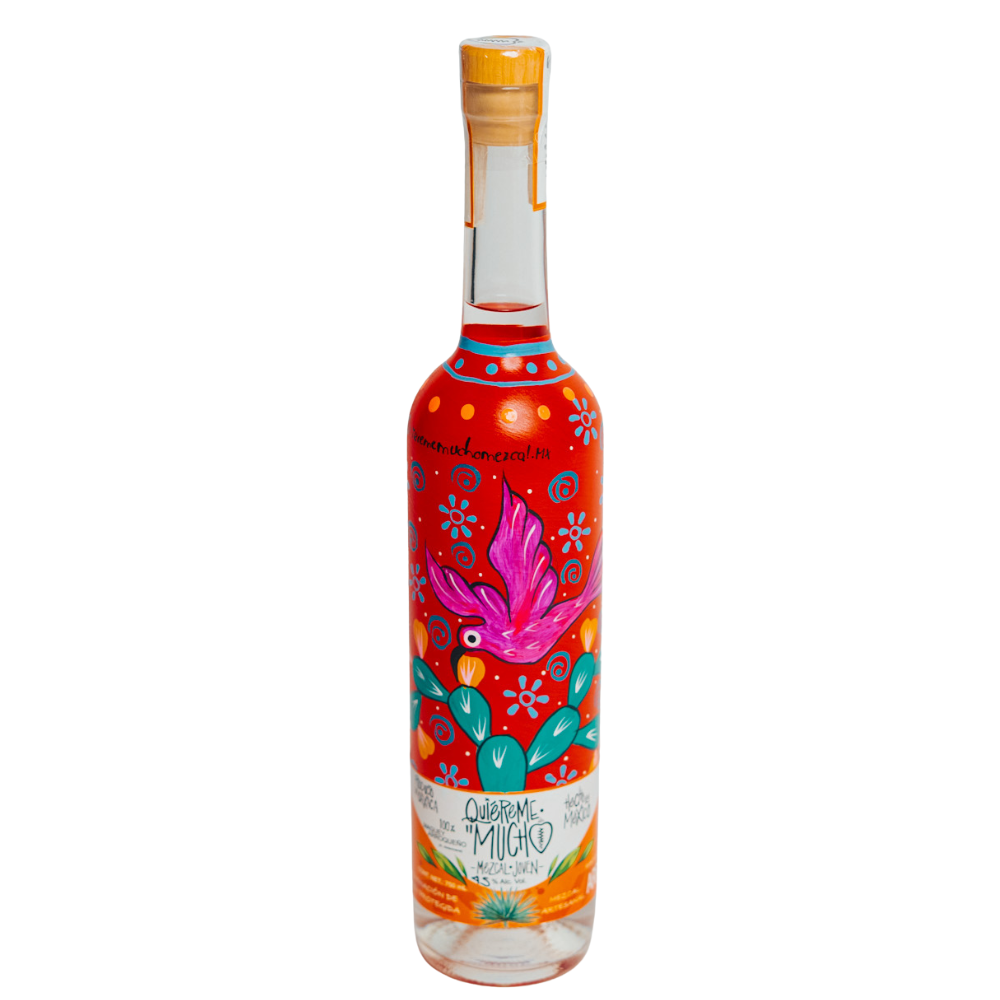
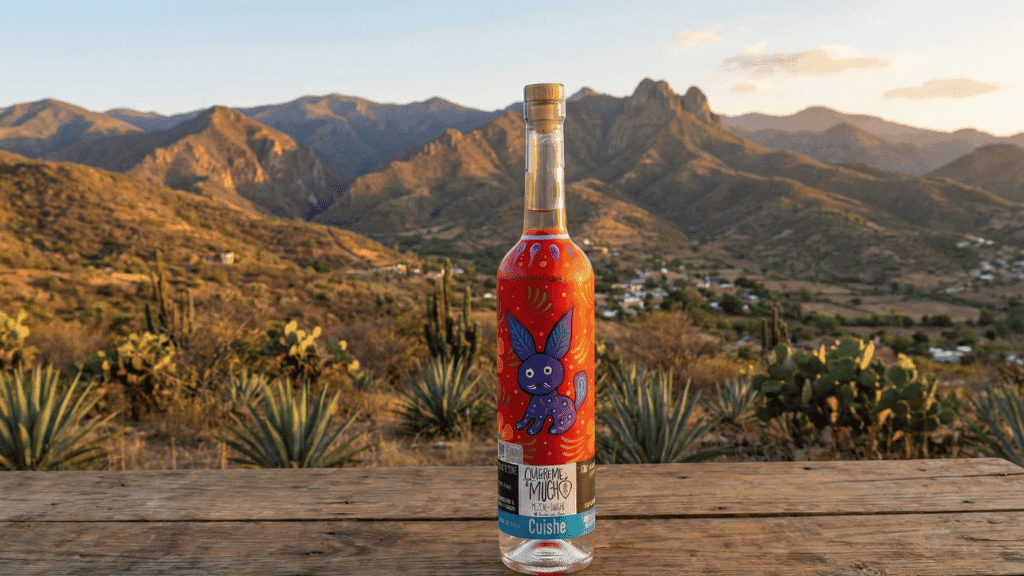
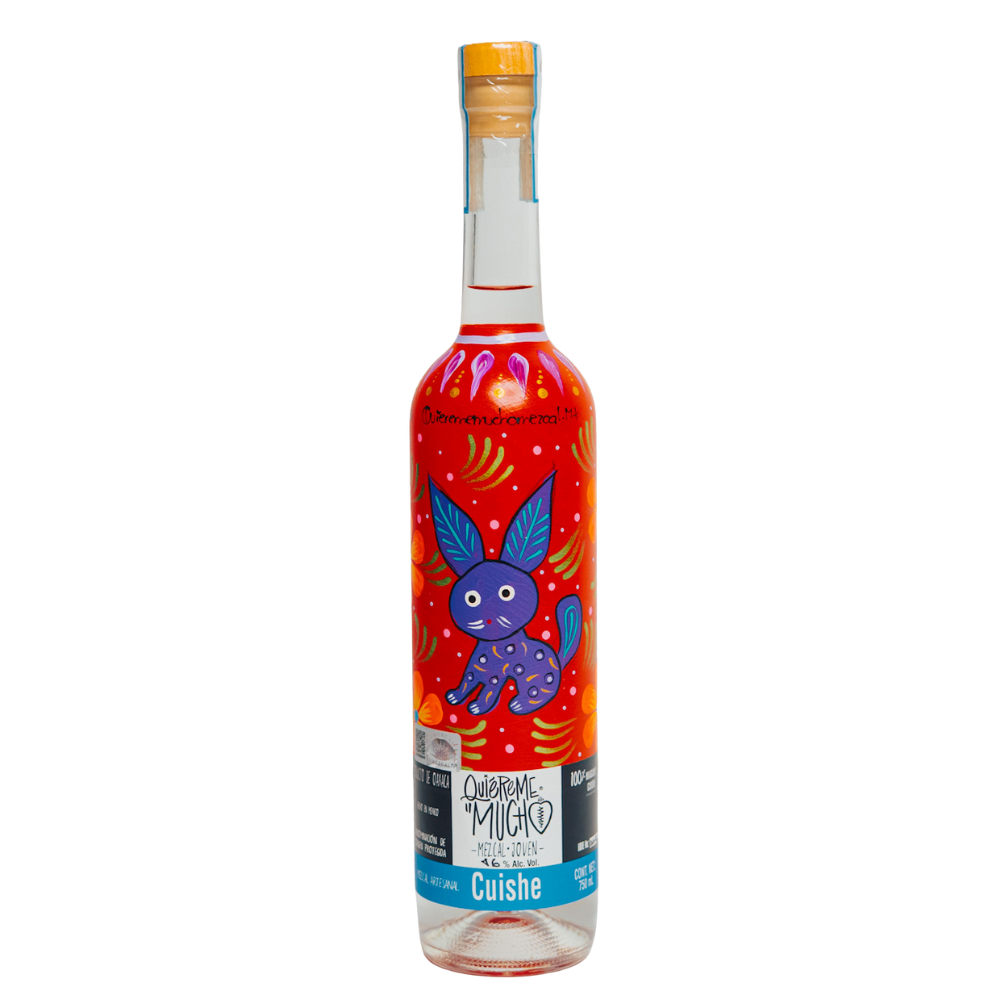
Mezcal Quiéreme Mucho Cuishe is a distillate made from wild or semi-cultivated Agave Karwinskii, characterized by its elongated, trunk-shaped pineapple. Unlike round pineapple agaves, Cuishe offers an upright, dry and herbal sensory profile, with unique spicy notes derived from its fibrous structure. Each bottle is a piece of art hand-painted by Zapotec artists, guaranteeing exclusivity (1 of 1).

The Value of Authenticity: Liquid Art vs. Commercial Mezcal

Technical comparison between mass production and our heritage custody.

Standard Karwinskii MezcalQuiéreme Mucho Cuishe (Master Curator)
Sub-Species BlendOftencombining Mother Cuishe, Barrel and Cirial without distinction, creating a diffuse flavor.Precise Botanical SelectionWe identifyand separate authentic Cuishe to deliver a clean, dry and spicy profile.
Sour/Bitter FlavorStemfiber can release bitterness if fermentation is not careful.Polished Double DistillationOurcopper process refines the herbal intensity, eliminating bitter edges and leaving only the freshness of the forest.
Simple labelingGeneric packagingthat ignores the cultural richness of the plant.Arte Zapoteco 1 of 1Theverticality of the flavor is honored with a manually intervened bottle. A sculpture for your bar.

Anatomy of the Vertical: The Agave Karwinskii

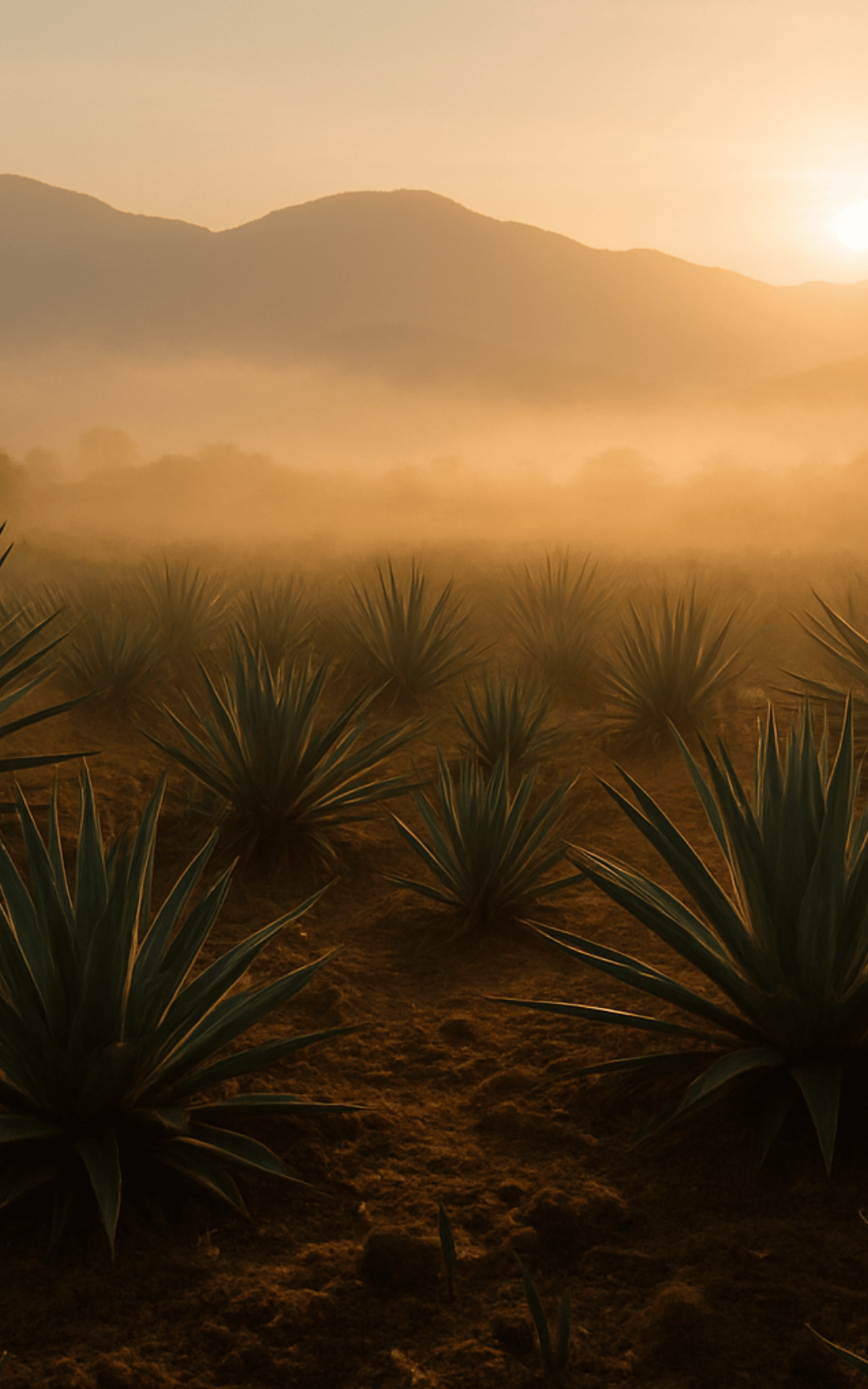
Cuishe is visually striking; it does not look like a maguey, it looks like a yucca or a small palm. This morphology changes the whole flavor:

  • Botanical Species: Agave Karwinskii.

  • Pineapple shape: Cylindrical and elongated (like a trunk), rich in dense fiber and low in water.

  • Ripening: 10 to 14 years in semi-arid climates.

Tasting Notes (The Experience):

    • Nose: Intense herbal profile. Notes of fresh leaves, dried flowers, white pepper and a subtle touch of resin.

    • Palate: Dry and mineral attack. The “fiber” of the plant is perceived in flavors reminiscent of lime zest, fine spices and wet stone. Not sweet like the Espadín; elegant and serious.

    • Finish: Persistent, crisp and fresh. Leaves a clean sensation on the palate.

Suggested Food Pairing: Ideal for fatty cuts (Rib Eye) that need a dry distillate to cleanse the palate, or fresh citrus ceviches.

Traceability of the Vertical: The Challenge of the Agave Karwinskii

Producing Mezcal Cuishe in San Pedro Taviche, Oaxaca, is an exercise in patience and strength. Unlike round agaves, the Karwinskii is a cylindrical, upright plant that absorbs minerality from the soil through a deep root system.

Our artisanal process is adapted to the unique anatomy of this plant:

  • Terroir Selection: We work exclusively with small lots grown in limestone and semi-arid soils. This “water stress” forces the plant to concentrate dry and herbal flavors in its stem.

  • Dense Fiber Cooking: The woody structure of Cuishe requires slow and precise cooking in a conical stone oven. Undercooked, it becomes bitter; overcooked, it loses freshness. Our masters master the exact point to release the sugars without burning the fiber.

  • Wild Fermentation: We use sabino wood vats and native yeasts from the environment. This is where the “green” profile of Cuishe softens, gaining aromatic complexity.

  • Copper distillation: Double distillation is vital for this agave. The copper acts as a catalytic filter that eliminates the rustic edges of the plant, delivering a dry, vertical and clean profile, perfect for discerning palates.

Frequently asked questions about our mezcals

What does Cuishe taste like compared to Espadin?

If Espadín is fruity and sweet, Cuishe is dry and spicy. It is a mezcal “of character”. Think of the difference between a Merlot wine (Espadín) and a structured Cabernet Sauvignon (Cuishe). It is for those who are looking for complexity, not just sugar.

Because of its shape. Being an elongated and hard trunk, it is difficult to accommodate in the conical oven and much more difficult to grind (its fiber is very resistant). It requires more physical work and more grinding time in the Tahona to extract its juices.

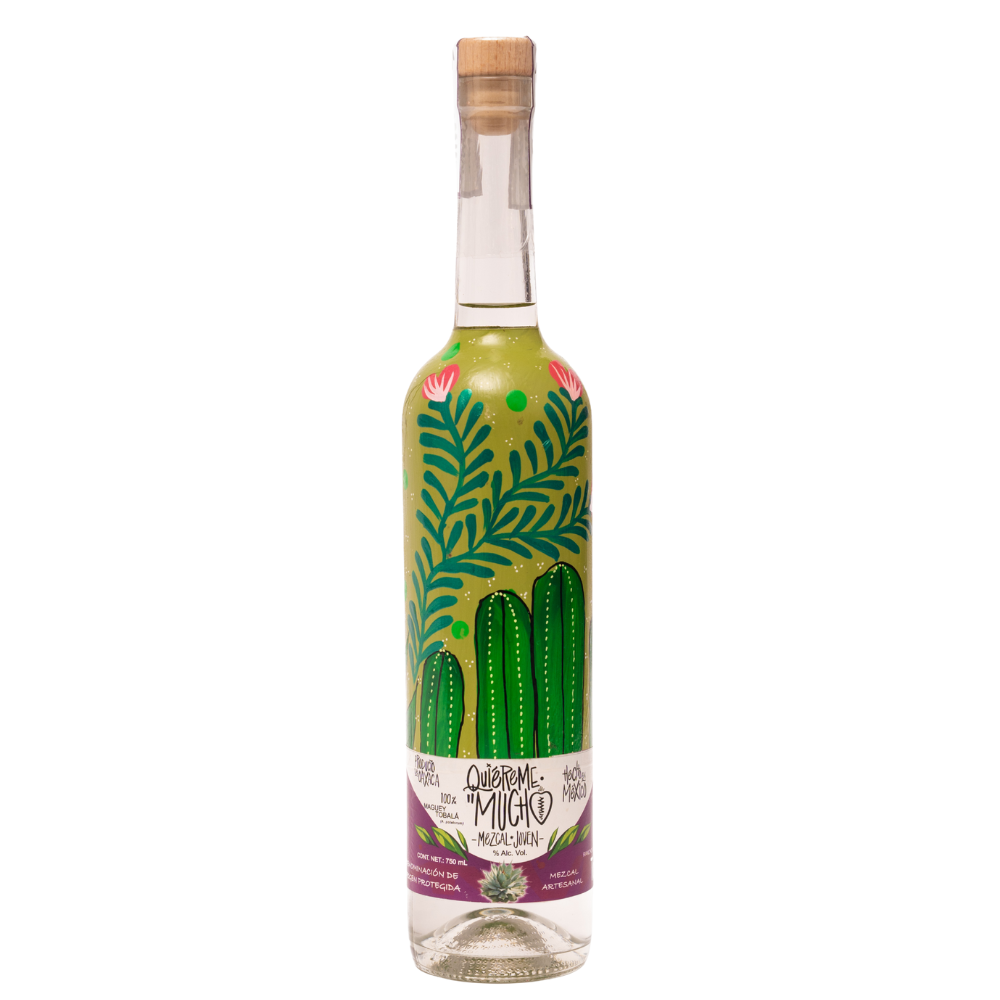
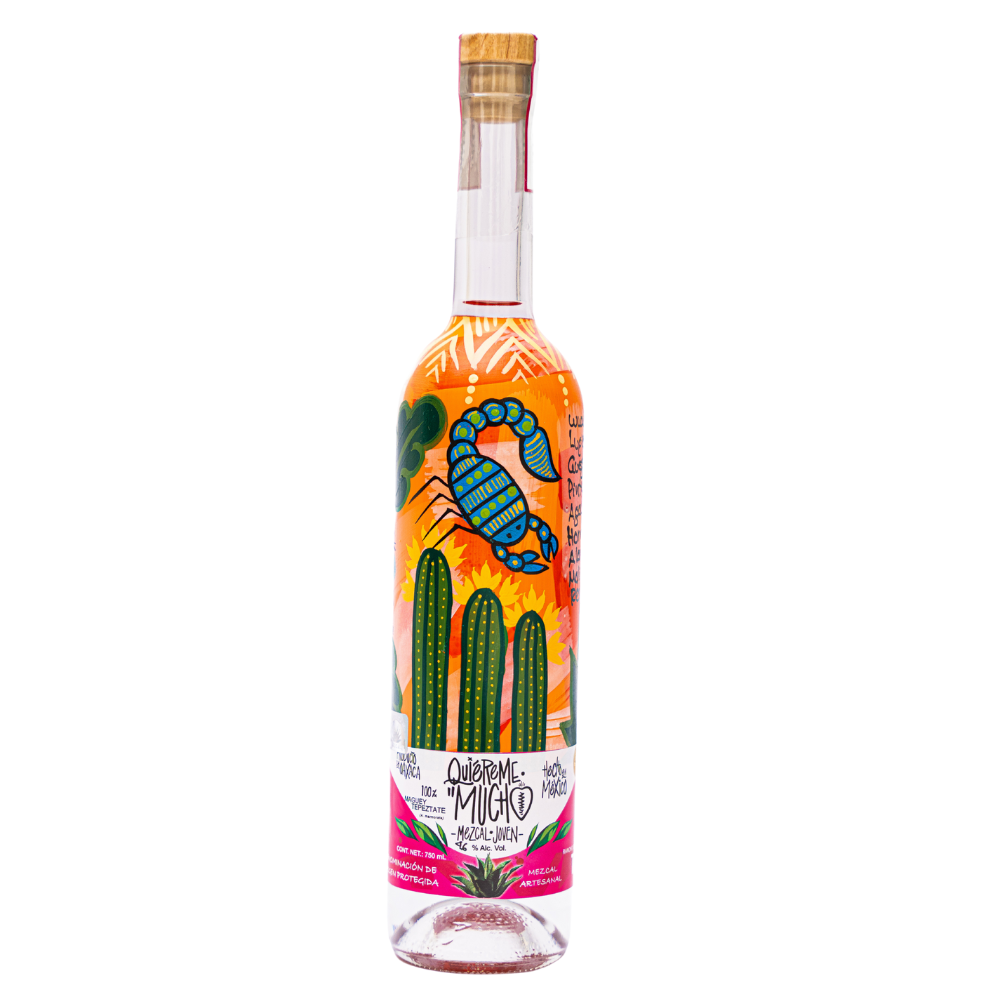
No. The shape of the bottle is the same, but the artwork is unique. Each one is hand painted by a different artist. You might receive a design with alebrijes, Zapotec fretwork or local flora. That’s what makes it collectible.

The Art of the Unique Piece The strong personality of the Cuishe is guarded in a bottle to match. Each bottle is hand-worked by local artists, who turn the glass into a canvas of color and tradition. It is not merchandising; it is numbered Folk Art (1 of 1).

Quality Recognition (E-E-A-T) The consistency of our batches earned us 11 International Medals in 2017. This award validates that our interpretation of Cuishe – respecting its dry and fibrous nature – is world class.